A Vision Beyond Conventional Architecture
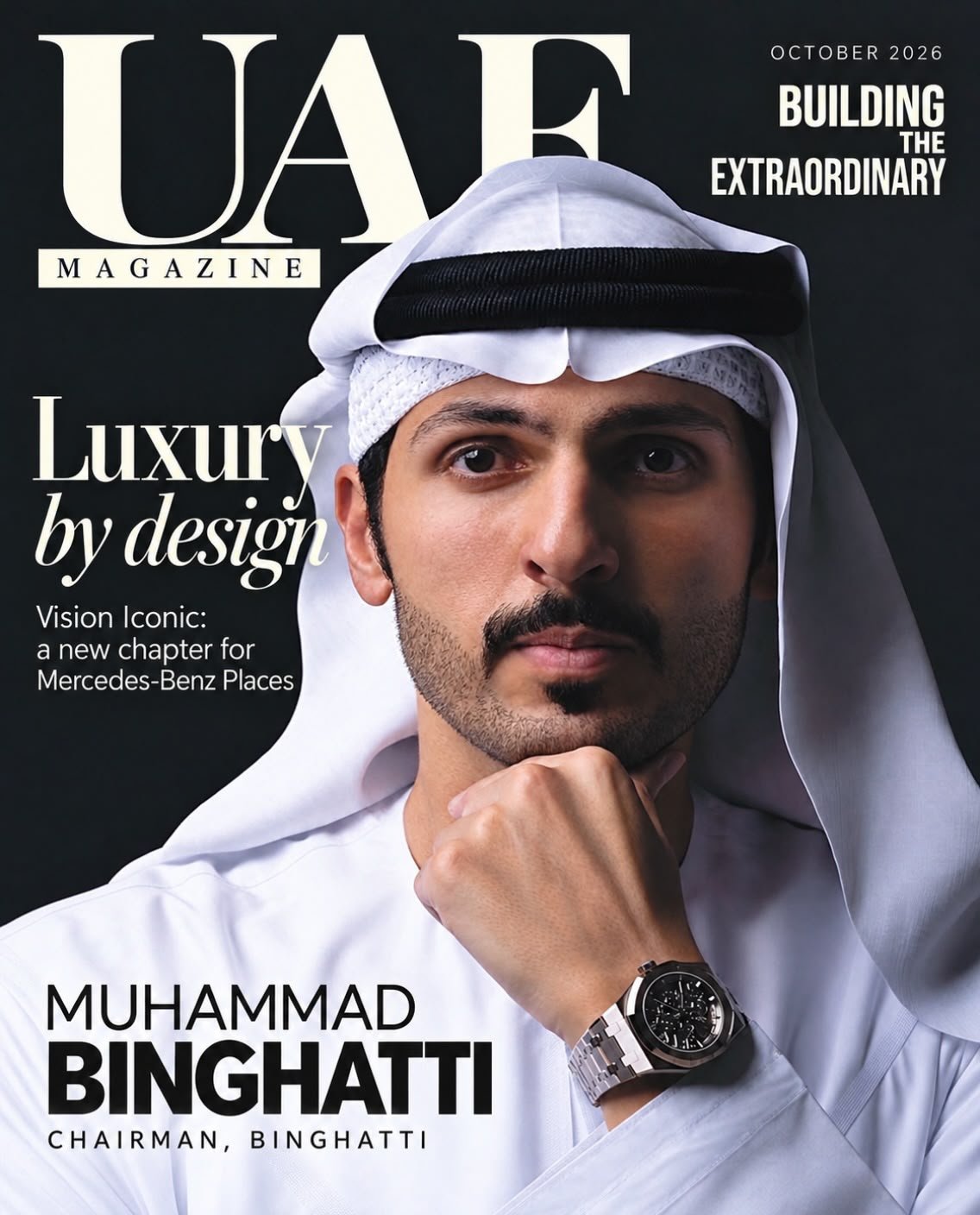
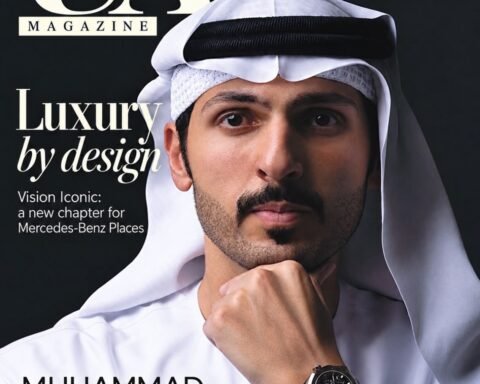
In Dubai, where ambition is reflected in extraordinary skylines and architectural landmarks, Muhammad Binghatti has emerged as a prominent figure in the evolution of contemporary real estate. As Chairman of Binghatti, he has helped shape a distinctive development philosophy that places architectural identity, brand storytelling and modern luxury at the centre of residential design.
His approach extends beyond the traditional concept of property development. Rather than viewing a building simply as a collection of residences, Binghatti sees architecture as an opportunity to create a recognisable identity—one that connects design with lifestyle and transforms everyday spaces into memorable experiences.
With an academic background in architecture and design, he brings a creative perspective to a highly competitive industry. His vision has helped establish Binghatti as a recognisable name in Dubai’s property market, particularly through developments distinguished by bold geometric forms, sculptural façades and collaborations with internationally renowned luxury brands.
The Foundations of a Family Legacy
Binghatti’s story began in 2008, when Dr. Hussain Binghatti established the company with a vision of creating a real estate brand capable of building a lasting legacy. Named in honour of his late father, Ghatti Bin Ghaeb, the business was founded on the ambition to develop a distinctive identity within Dubai’s evolving property landscape.
Muhammad Binghatti subsequently helped shape the company’s architectural direction and wider brand vision. His contribution reflects a new generation of Emirati entrepreneurship, in which family-business heritage is combined with contemporary design thinking, international partnerships and an increasingly global outlook.
His background in architecture has been particularly influential in defining the company’s visual language. By treating design as a central element of brand identity, he has helped establish a consistent aesthetic across developments while pursuing projects that appeal to different segments of the property market.
This approach illustrates how a family-founded enterprise can evolve by preserving its original ambition while adapting to changing consumer expectations and the growing international appeal of Dubai real estate.
Architecture That Makes a Statement
One of the defining characteristics of Binghatti’s developments is their instantly recognisable architectural style. Distinctive balconies, geometric patterns, layered façades and striking silhouettes give the buildings a visual identity that sets them apart from more conventional residential towers.
For Muhammad Binghatti, architecture is both an artistic discipline and a practical response to how people experience their surroundings. A successful residential development must offer functional living spaces while creating an environment that feels distinctive and memorable.
This philosophy has influenced the company’s approach to residential design, where exterior form, interior experience and brand positioning work together. Rather than treating architecture as a finishing touch, Binghatti places it at the heart of the development process.
In a city filled with ambitious construction projects, visual recognition can become an important part of a real estate brand’s identity. Binghatti’s design-led strategy demonstrates how a consistent architectural language can help a developer establish a recognisable presence across multiple neighbourhoods and price segments.
Bringing Global Luxury Brands Into Real Estate
A major chapter in Muhammad Binghatti’s professional journey has been the development of branded residences in collaboration with internationally recognised luxury houses. These partnerships bring together the world of property with the design identities and customer expectations associated with luxury automobiles, jewellery and watchmaking.
Among the company’s notable projects are Bugatti Residences by Binghatti, Burj Binghatti Jacob & Co. Residences and Mercedes-Benz Places | Binghatti. Each reflects an effort to translate the character of an established luxury brand into a residential environment.
The concept goes beyond placing a famous name on a building. Branded residences seek to create a coherent lifestyle proposition in which architecture, interiors, amenities and the wider residential experience reflect the identity of the partner brand.
For buyers, such developments can offer a distinctive combination of design, exclusivity and brand association. For developers, they create opportunities to reach international audiences who view property as both a place to live and an expression of personal taste.
Binghatti’s collaborations illustrate how this model is expanding the boundaries of luxury real estate. They also demonstrate Muhammad Binghatti’s interest in drawing inspiration from industries beyond construction, including automotive design and horology, where precision, craftsmanship and recognisable visual identities play important roles.
Bugatti Residences: A New Expression of Automotive-Inspired Living
Bugatti Residences by Binghatti represents one of the company’s most prominent branded residential ventures. Developed in Dubai, the project brings the visual language and aspirational character associated with the French luxury automotive marque into the residential property market.
The collaboration reflects a shared emphasis on design, individuality and exclusivity. Its architectural concept seeks to create a distinctive residential destination that draws inspiration from the world of high-performance automobiles and luxury lifestyle experiences.
For Muhammad Binghatti, the project represents an opportunity to explore how the identity of a globally recognised brand can inform the character of a building. It also demonstrates the potential for real estate to engage consumers through more than location and floor plans, incorporating storytelling and design into the overall proposition.
As branded residences gain visibility in international property markets, projects such as Bugatti Residences illustrate how developers are experimenting with new ways to distinguish premium homes in an increasingly competitive landscape.
Mercedes-Benz Places and the Future of Branded Design
The collaboration with Mercedes-Benz further reflects Binghatti’s approach to combining architectural ambition with established international design identities.
Mercedes-Benz Places | Binghatti, launched in Downtown Dubai in 2024, brings the automotive brand’s emphasis on design and contemporary luxury into a residential development. The project demonstrates how the principles associated with a luxury product can be interpreted within a larger built environment.
Such projects require more than visual resemblance. They involve aligning the expectations of a global brand with the practical requirements of residential development, including planning, amenities, interiors and the experience of future residents.
The opportunity lies in creating a distinctive identity while ensuring that the development functions as a home. For Binghatti, this balance between visual ambition and everyday usability forms an important part of its broader design-led approach.
Building a Global Identity From Dubai
Dubai provides a distinctive environment for Muhammad Binghatti’s ambitions. The city has established an international reputation for architectural experimentation, luxury hospitality and large-scale real estate development, attracting investors and residents from around the world.
Within this setting, Binghatti has developed projects across different market segments, from more accessible residential properties to high-end branded developments. This breadth allows the company to participate in several areas of the property market while maintaining its recognisable design identity.
The company’s growth reflects the wider evolution of Dubai real estate, where developers increasingly compete through a combination of location, design, lifestyle amenities and brand differentiation.
For Muhammad Binghatti, international recognition is closely connected to the ability to create developments that communicate a clear identity. The ambition is not simply to construct more buildings, but to establish a real estate brand whose projects are identifiable and distinctive.
Leadership at the Intersection of Design and Business
Leading a design-focused property business requires a balance between creative ambition and commercial discipline. Architectural concepts must be translated into viable developments, with careful consideration given to planning, construction, market demand and delivery.
Muhammad Binghatti’s professional profile brings these two dimensions together. His architectural training informs the company’s visual direction, while the commercial realities of real estate require a practical understanding of customers, investment and market positioning.
This combination is particularly important in the luxury segment, where expectations extend beyond the physical property. Buyers also consider the quality of the experience, the credibility of the development, the appeal of its location and the strength of its identity.
His work illustrates how design can become a strategic business asset when supported by thoughtful execution. It also highlights the importance of maintaining a clear proposition in a market where distinctive marketing must ultimately be matched by the quality and performance of the finished development.
Looking Ahead: The Next Chapter of Luxury Living
The future of real estate will be shaped by changing lifestyles, technological development, sustainability expectations and increasingly sophisticated consumer preferences. In the luxury segment, design alone is not enough; developments must also deliver comfort, functionality and a compelling long-term residential experience.
For Binghatti, the opportunity lies in continuing to develop its architectural identity while responding to these changing priorities. International collaborations may create new possibilities, but lasting success will also depend on construction quality, delivery, customer confidence and the ability to maintain standards across a growing portfolio.
As Dubai continues to attract international investment and expand its residential offering, Muhammad Binghatti’s design-led approach positions him within a broader conversation about the future of urban living: how buildings can become more recognisable, how luxury can be expressed through architecture, and how a developer can create a consistent identity in a competitive global market.
A Legacy of Design, Ambition and Innovation
Muhammad Binghatti’s journey reflects the evolution of a family-founded real estate business into a brand associated with distinctive architecture and internationally recognised luxury collaborations.
Through his work at Binghatti, he has helped demonstrate how architectural design can become central to a developer’s identity, creating projects that seek to stand apart through their form, concept and lifestyle positioning.
His approach connects Dubai’s appetite for ambitious development with the traditions of luxury industries that value craftsmanship, precision and recognisable design. From sculptural residential towers to branded residences developed with global names, the company’s portfolio illustrates an ongoing effort to broaden the possibilities of contemporary property development.
Ultimately, Muhammad Binghatti’s story is about the meeting point of architecture and entrepreneurship. It is about viewing buildings not merely as physical structures, but as expressions of a larger vision—one that brings together design, lifestyle and commercial ambition.
As Dubai continues to redefine its skyline, his work forms part of a changing architectural landscape in which identity matters as much as scale, and innovation is measured not only by how a building looks, but by the experience it creates for the people who inhabit it.
Post Views: 197